

From Pizza Pitch to Startup
How Recruiting for Potential Instead of Credentials Changed Everything
The first pitch failed completely.
Nico Ferreyra stood in front of 80 engineering students at the University of Louisville, waving his arms, trying to convince them to join a dormant Formula SAE race team that hadn't built a car in four years.
"Anybody have any questions?"
Silence.
He'd been recruiting the wrong people. The consensus picks. The 4.0 students who were good at math and would graduate with honors. They were excellent students, but that didn't necessarily mean they'd be great engineers.
"What I actually needed was people who didn't necessarily want to tank their GPA, but would tank their GPA if it meant they could go build a race car."
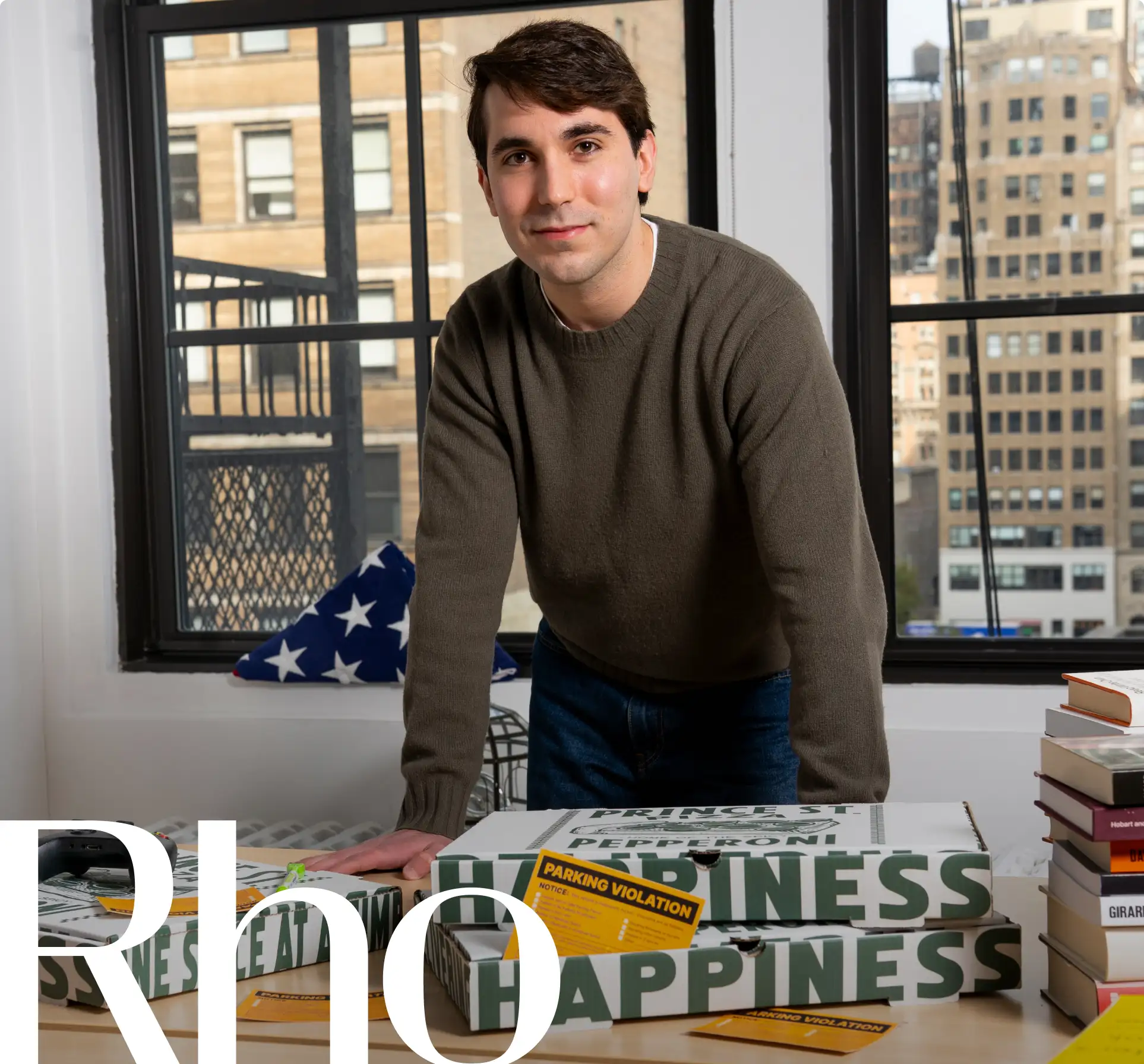
He reworked the deck. Bought boxes of Papa John's pizza.
One slide was brutally honest: "You're going to kill your GPA, but you're going to have a really good time."
Thirty students swarmed him after class.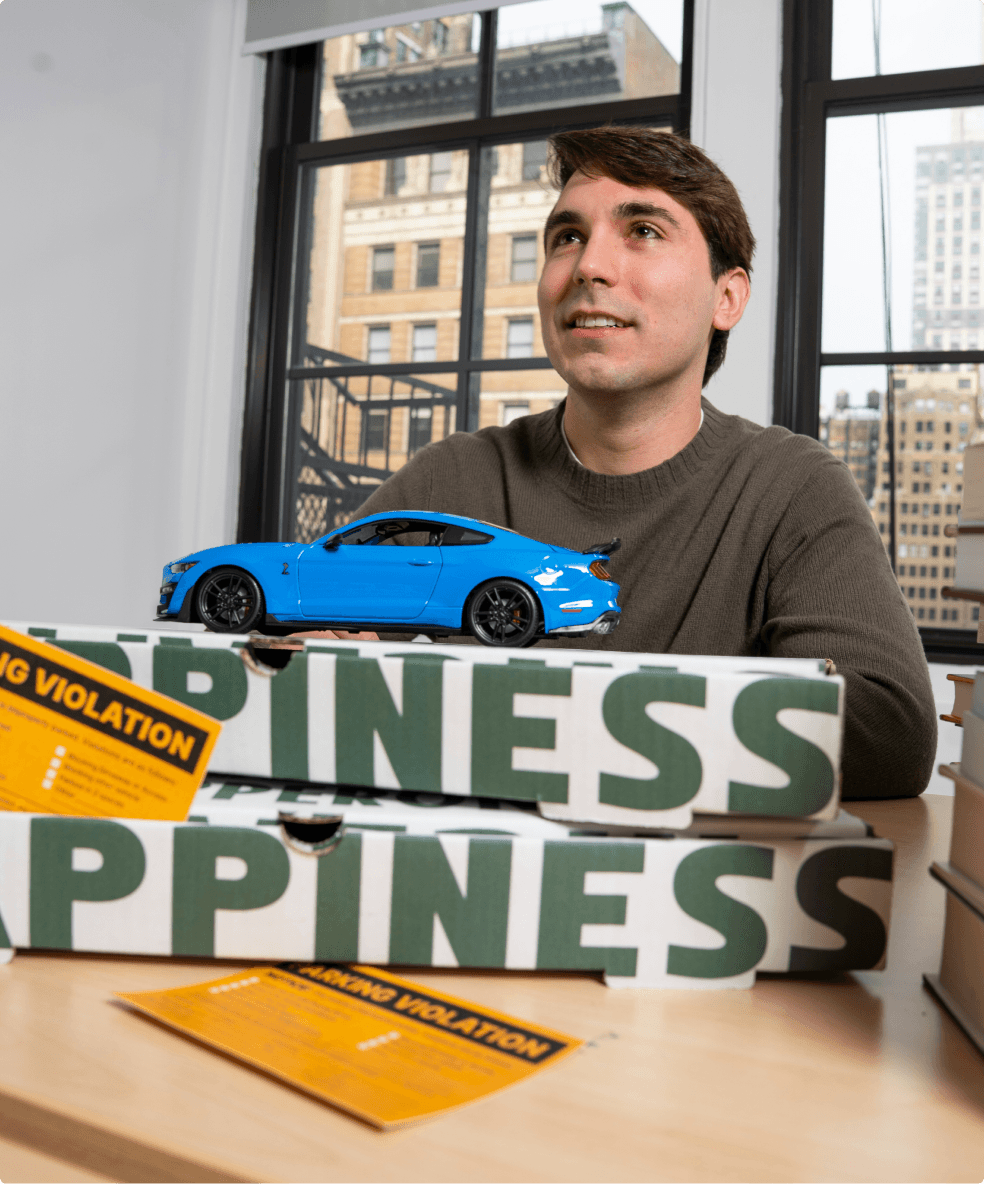
"Finding people who are very high slope and high potential, then putting them in an environment where they can prove themselves, that's the art."
Among those thirty was Victor, who would become his co-founder. They built the racecar. Then they kept building, solving an age-old parking problem with drones, a solution that evolved into Parkbot, software for the parking industry.
Parkbot took them somewhere unexpected: enterprise sales meetings.
"We were showing up at these offices in Victor's Prius. We're in our early 20s, just out of class, pitching ourselves."
When Nico and Victor showed up to their first enterprise sales meetings, they were two college kids with laptops, pitching executives old enough to be their parents. One meeting stands out: two executives in their 40s or 50s, serious people with serious problems.
Nico was shaking during the demo.
They demoed the pilot. Then they bought a subscription.
"At that moment, I realized people will pay attention if you build something that interests them."
Everything Nico believed about meritocracy, that you needed credentials, experience, a polished product, fell to the wayside in that moment.
"You can literally just do things. And it tends to work out if you do them well."
The meetings kept happening. The product improved. Customers kept saying yes. A chance encounter with an investor led to an absurd idea: buy out their legacy competitor and replace the entire system. They almost pulled it off. COVID killed the deal, but the lesson stuck.
"Things that are absurd become real if you pursue them. Most people just avoid absurdity."
Years later, Nico and Victor built Default. But the conviction that drives them—that you don't need consensus credentials, that you can work things into existence—came from those early days. From the pizza pitch. From the race car team. From the Prius.
Every founder holds themselves back from taking the leap. From continuing to pursue it when it gets hard. From asking the better question.
"It doesn't really matter where your origins are. You can roll things into existence."
His framework? Default to optimism. Ask what happens if things go right, not wrong.