

Fanfiction, Fandoms, and Founding a Startup
How 215 Million People Taught Zehra to Build for Obsession
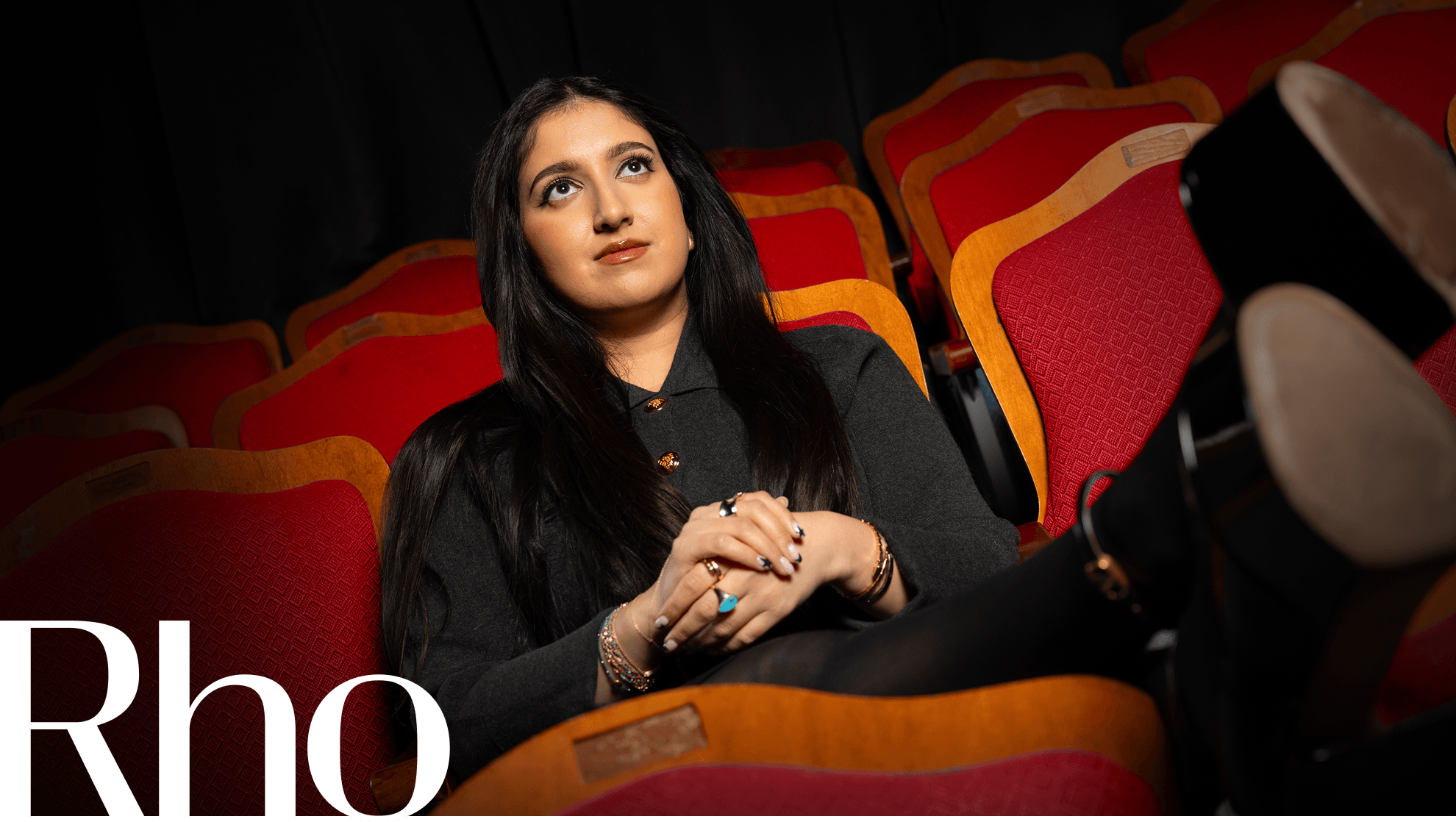
When Zehra Naqvi was 11 years old, she did something terrifying: She published her fanfiction online.
On Tumblr, she poured her obsessions into stories for the world to see. Her following soon grew to 250,000.
"I think being a founder requires a certain level of vulnerability and courage," she reflects. ”You put something out there and let the world tell you what they think. That's just how it works.”
That experience: Baring her soul and watching strangers respond, taught her something founders spend years learning: You can't force your vision onto users. They have to guide you.
"As a founder, you should never force your idea of what the perfect solution is on users. You need to trust the users to guide you," she says. "That's a really important principle."
Years later, as a VC, Zehra noticed a pattern no one else seemed to see. From age nine to 27, she'd been doing the exact same thing: Obsessively searching for information about the things she loved. Marvel movies, mostly. The Google searches for Iron Man were identical to the ones 17 years later for Fantastic Four.
"We've had so much incredible tech come out that is innovative for B2B SaaS companies," she says. "But it felt like the things that bring us joy and the art that moves us, there just wasn't a dedicated home for it all."
She started asking around. A diehard sports fan. Someone deep into niche history. A true crime podcast enthusiast. All shared the same frustration: There was no real place to share their passions, their obsessions.
She had found her problem. Now she needed to prove it.
Zehra posted videos on TikTok, asking: "Are Marvel fans frustrated with the current fandom experience?"
The response was staggering: 215 million views. No website. No pitch deck. Just a waitlist that hit 100,000 signups. But the real insight came in a moment of clarity: People weren't just resonating with Marvel; they were applying it to their own obsessions, whatever they might be.
"Even though people were seeing it for Marvel, they were applying it to their own tangential obsessions," she explains. "Hitting 215 million views on TikTok without a website? That was a sign we were onto something."
It was the same principle she'd learned at 11: When you're authentic about what moves people, they recognize themselves in your words.

When they shipped their MVP, one user spent twenty hours on the platform. They asked 2,500 questions about Stephen King alone.
"It kind of felt like proof that out of these hardcore fans, there was clearly a desire for a new platform that actually kept track of what they were obsessed with," she recalls.
As Zehra built Lore, she made a deliberate choice: She would never force-fit her vision. Instead, she would listen, just like she had at 11. But this time, she understood something deeper.
“Obsession, when channeled, is a feature, not a flaw,” she says.