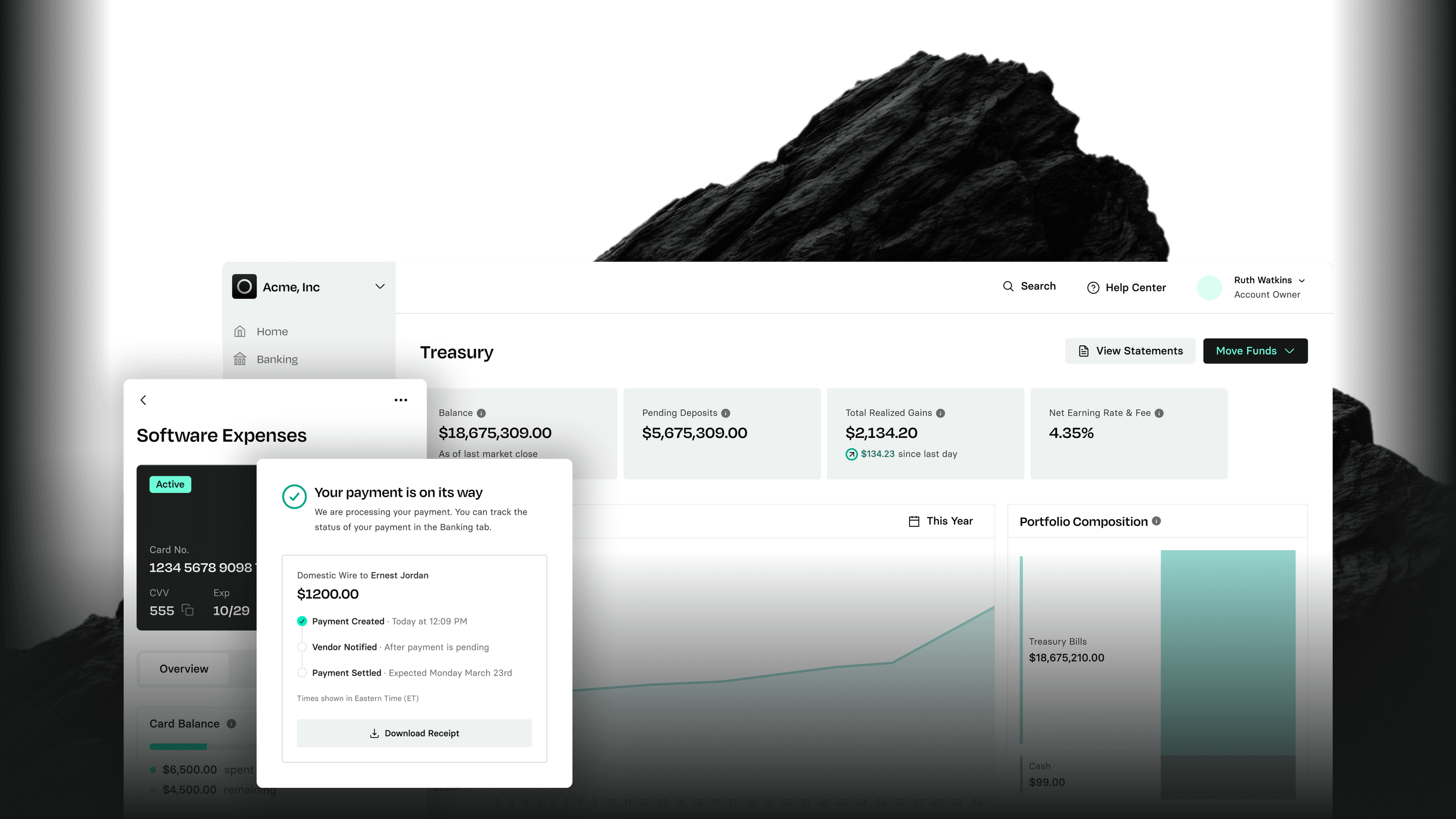
Early-stage startups that want banking and cards in one place: Rho
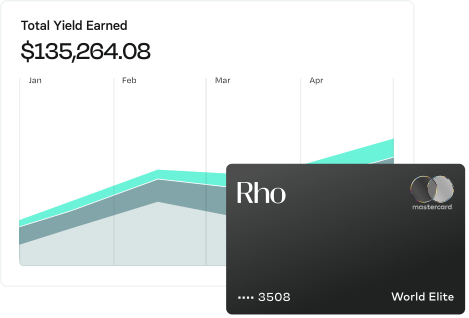
If you want checking, savings, cards, and AP under one login with no per-user software fee, Rho is the simpler stack. Rewards arrive as cash rather than points, support is human on every account, and pre-EIN onboarding means you can open an account as the company is being formed. Brex serves startups too; its platform centers on corporate cards and spend management, with a business account attached.
Large companies running global spend programs: Brex
This one goes to Brex. Brex issues cards accepted in 210+ countries with local-currency issuance in 50+ countries, layers on managed travel programs, and offers advanced policy tooling such as multiple customizable expense policies and automated audit rules at the Premium and Enterprise tiers (brex.com/pricing, as of 08/17/2026). If you are a multinational with hundreds of cardholders and a dedicated finance team administering policy, Brex is the stronger fit.
Travel-heavy teams: Brex
Brex points pay for Brex travel bookings at a rate of 1 point to 1 airline or hotel point, but redeem at 0.6 cents each for cash (Forbes Advisor, verified 05/06/2026). If your card spend is dominated by flights and hotels and you will actually redeem for travel, the points system works in your favor. If you would take the cash, the math flips: Rho's cashback needs no redemption decisions and pays out as a statement credit.
Companies that hold meaningful cash: Rho
Rho is built for the banking side: savings with up to $75M in FDIC deposit insurance per depositor through American Deposit Management Co. and its partner banks, subject to FDIC requirements, plus Rho Treasury from a $50K minimum. Brex's Vault covers up to $6M across 24 program banks, and its treasury product is a money market fund rather than FDIC-insured deposits. Both treasury products carry variable rates; compare current numbers at rho.co/treasury and brex.com rather than relying on a static figure.
Rho: pros and cons
Pros
Cash rewards: up to 2% with Rho Platinum (terms apply), 1.25% standard on Daily Terms, no points math
Savings with up to $75M in FDIC coverage per depositor via American Deposit Management Co. and its partner banks, subject to FDIC requirements
Treasury from $50K; banking, AP, expense, and cards with no software fee
Human phone and chat support on every account
Pre-EIN onboarding and incorporation support
Cons
No managed travel program comparable to Brex's
Savings yield (up to 1.00%, variable) is modest below the $50K Treasury minimum
Brex: pros and cons
Pros
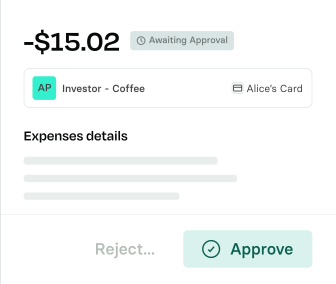
Spend management: customizable expense policies, budgets, and multi-level approvals, with advanced controls on Premium and Enterprise
Global reach: cards in 210+ countries, local-currency issuance in 50+
Free Essentials tier includes basic expense policies and accounting integrations including NetSuite
24/7 live support on every plan
Points can beat cashback for travel-heavy spend redeemed as travel
Cons
Points redeem at 0.6 cents each when taken as cash, so cash-preferring teams give up value (Forbes Advisor, verified 05/06/2026)
Maximizing earn rates depends on category and industry multipliers that vary by vertical
Vault FDIC coverage tops out at $6M, versus up to $75M on Rho savings via American Deposit Management Co. and its partner banks
Advanced policy controls require Premium ($12/user/mo) or Enterprise
Stopped serving traditional small businesses in 2022; the platform is aimed at startups and larger companies